
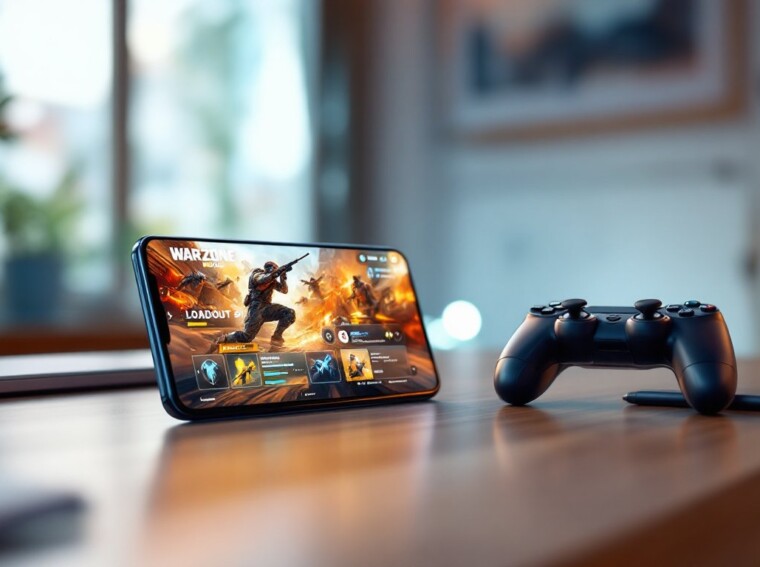
Warzone Mobile brought the full-scale battle royale experience to iOS and Android, delivering cross-progression with console and PC versions of Call of Duty. Launched globally on March 21, 2024, the game let players carry their loadouts, operator skins, and progression seamlessly across all platforms. But, Activision announced that servers will shut down on April 17, 2026, meaning this mobile chapter is entering its final months. For console gamers curious about the mobile experience or those looking to squeeze the last value from the game, here’s what you need to know about gameplay, maps, weapons, and optimization before the doors close.
Key Takeaways
- Warzone Mobile delivered a full-scale battle royale experience with cross-progression across console and PC, allowing players to sync loadouts, operator skins, and progression seamlessly.
- The game featured Battle Royale modes (standard, Mobile Royale, and Rebirth Resurgence) supporting 120 players alongside Multiplayer modes on iconic maps like Verdansk and Rebirth Island.
- Deep weapon customization and gunsmith systems mirrored Modern Warfare III, with the XM4 and Jackal PDW dominating as meta weapons across different playstyles.
- Warzone Mobile required flagship or high-end mid-range phones for stable 60+ fps performance, with significant battery drain and heavy storage demands (~12 GB), making it a resource-intensive mobile experience.
- With servers shutting down on April 17, 2026, the final window to experience Call of Duty Warzone Mobile has closed, marking the end of this ambitious franchise expansion to mobile platforms.
What You Need To Know About Warzone Mobile
Call of Duty: Warzone Mobile was published by Activision and available on iOS and Android as a free-to-play title with optional in-app purchases through COD Points. The game supported the Battle Pass, cosmetic bundles, and The Keep, a mobile-exclusive cosmetic store. Cross-progression meant that weapon unlocks, operator skins, and seasonal progress synchronized with Warzone and Modern Warfare III on console and PC.
The game was removed from the Google Play Store and Apple App Store in May 2025, but existing installations continued to function until server shutdown. This limited window makes understanding the game’s mechanics and full feature set valuable for anyone still playing or retrospectively curious about how Warzone adapted to mobile hardware.
Activision positioned Warzone Mobile as a genuine extension of the franchise rather than a stripped-down companion app. Players could expect the same gunsmith customization depth, the same operator roster, and competitive-grade gameplay. The key difference: everything optimized for touchscreen or controller input on devices ranging from mid-range Android phones to flagship iPhones.
Game Modes And Iconic Multiplayer Battles
Warzone Mobile launched with two primary pillars: Battle Royale and Multiplayer modes.
Battle Royale Modes dominated the experience, supporting 120 players across three distinct variants:
- Battle Royale: The standard experience on Verdansk
- Mobile Royale: A slightly faster-paced variant optimized for mobile session lengths
- Rebirth Resurgence: The smaller, more intense mode on Rebirth Island featuring respawns and shorter match times
Battle Royale was the flagship draw for most players, offering the full drop, loot, contract, and final circle tension that made console Warzone iconic. Resurgence appealed to players seeking quicker, team-focused engagements without the 20-minute commitment of standard BR.
Multiplayer Modes provided a secondary leveling path. At launch, the rotation included Deathmatch, Mosh Pit (randomized core mode rotation), and smaller team-based modes on maps like Shipment, Rust, Scrapyard, and Shoot House. But, the multiplayer component was intentionally supplementary, Battle Royale remained the focus. Strategic loadout testing and weapon XP grinding drove most multiplayer engagement, though competitive players still valued the precision gameplay that 6v6 modes offered.
Maps, Weapons, And Customization
Verdansk and Rebirth Island formed the core map rotation for Warzone Mobile. Verdansk was a full rebuild of the classic large-scale battle royale arena, adapted for mobile draw distances and processing power while retaining iconic landmarks, Downtown, Airport, Stadium, and Diner. The map maintained the three-zone structure and strategic hot-drop variety that made console Verdansk compelling.
Rebirth Island compressed the experience into a tighter arena, perfect for 15–20 minute matches. Its vertical design, with rooftop rotations and underground sections, translated surprisingly well to mobile controls and promoted aggressive, team-focused gameplay.
The weapon arsenal mirrored Modern Warfare III and current console Warzone, spanning assault rifles (XM4, GPMG-7), sniper rifles (LW3A1 Frostline), SMGs (Jackal PDW), and more. Loadout customization followed the gunsmith system: select a weapon, equip attachments for recoil control and ADS speed, apply perks like Double Time or Quick Fix, and set field upgrades such as UAV Flares or Armor Plate Carrier.
Unlock The Best Weapons From The Call Of Duty Arsenal
Progression for weapons and operators relied on cross-play integration. Grinding weapon XP in Battle Royale or Multiplayer unlocked attachments shared across all platforms. The Battle Pass unlocked operator skins, weapon blueprints, and cosmetics seasonally. BlackCell (premium Battle Pass) accelerated rewards. Players also purchased bundles from The Keep or seasonal stores, spending COD Points on exclusive skins and trackers.
To optimize loadout performance, Call of Duty Warzone tips and tricks can elevate gameplay for players transitioning from console to mobile. Understanding recoil patterns and map positioning remained foundational. Weapon tier lists shifted with patches, the XM4 was often meta for all-range dominance, while Jackal PDW dominated close quarters. Recent patch updates detailed balance changes that affected weapon viability each season, so staying informed was critical for competitive play.
Mobile Controls And Gameplay Optimization
Warzone Mobile offered two primary input methods: touchscreen and external controllers.
The touchscreen HUD was fully customizable. Players could position virtual buttons for movement, ADS, firing, reload, and tactical abilities anywhere on the screen. Multiple preset layouts accommodated different playstyles, aggressive SMG rushers favored large, centralized fire buttons, while sniper-focused players positioned ADS and fire buttons for steady aim. Button sizes and opacity were adjustable, letting players fine-tune responsiveness without cluttering the screen.
Controller support included Bluetooth and wired options, standard Xbox, PlayStation, and mobile-specific controllers all worked. For console veterans, controller input delivered significantly better accuracy and felt more familiar than touchscreen, though it required carrying an external device.
Accessibility features reduced skill floor without compromising integrity. Auto-pickup enabled automatic loot collection, a lifesaver during hot-drop chaos. Optional automated melee and ranged actions helped players with limited mobility. Enemy and ally outlining enhanced visibility, especially in low-contrast indoor areas. These toggles were optional and purely beneficial, no competitive advantage, just quality-of-life enhancements.
The customization depth was genuinely impressive, making Warzone Mobile accessible to casual players while remaining competitive for hardcore users. Resources like mobile gaming guides on platforms like Pocket Tactics offered detailed control scheme recommendations and optimization tips.
Graphics, Performance, And Technical Features
Warzone Mobile pushed mobile hardware harder than most competitors. Visuals approached console-quality fidelity on high-end devices, with detailed weapon models, dynamic lighting, and sharp map textures. Verdansk and Rebirth Island both showcased impressive environmental detail and draw distances.
The file size was ~12 GB on iOS (Android varied slightly), requiring significant storage. This wasn’t lightweight, it demanded commitment from players with storage constraints.
Graphics presets ranged from low (optimized for battery life and older devices) to high (near console-grade visuals). The gap between settings was noticeable: high settings delivered superior clarity and frame rates up to 120 fps on flagship phones, while low settings prioritized stability on mid-range devices. Players had to choose between visual fidelity and performance, a constant trade-off on mobile.
Performance reality was demanding. Warzone Mobile required relatively recent flagship or high-end mid-range phones for stable frame rates above 60 fps. Older iPhones and budget Android devices struggled, experiencing stuttering, frame drops, and thermal throttling. The game was notorious for heavy battery drain, extended sessions could deplete a full charge in 2–3 hours, and device heating, especially on sustained 120 fps runs. Thermal management became critical: players often used cooling grips or external fans for competitive sessions.
Compared to lightweight mobile experiences, Warzone Mobile was resource-intensive by design. It delivered a genuine Warzone experience at the cost of optimization. Technical deep dives on specialized gaming outlets like The Loadout and Wccftech frequently benchmarked performance across device tiers, helping players assess whether their hardware could handle it.
Conclusion
Warzone Mobile delivered an authentic battle royale and multiplayer experience with cross-progression to Modern Warfare III and console Warzone, deep weapon customization, and genuinely impressive mobile visuals. But, the game demanded powerful hardware, drained batteries quickly, and required significant storage. With servers shutting down on April 17, 2026, the window to experience cod warzone mobile is closing. For console gamers considering call of duty war zone mobile or those with existing installations, the final months offer a unique opportunity to explore how the franchise adapted to touch and controller-based gameplay. The legacy of Warzone Mobile serves as a bold experiment in bringing hardcore FPS experiences to mobile platforms, ambitious, demanding, but eventually successful in delivering the core Warzone formula outside the living room.