
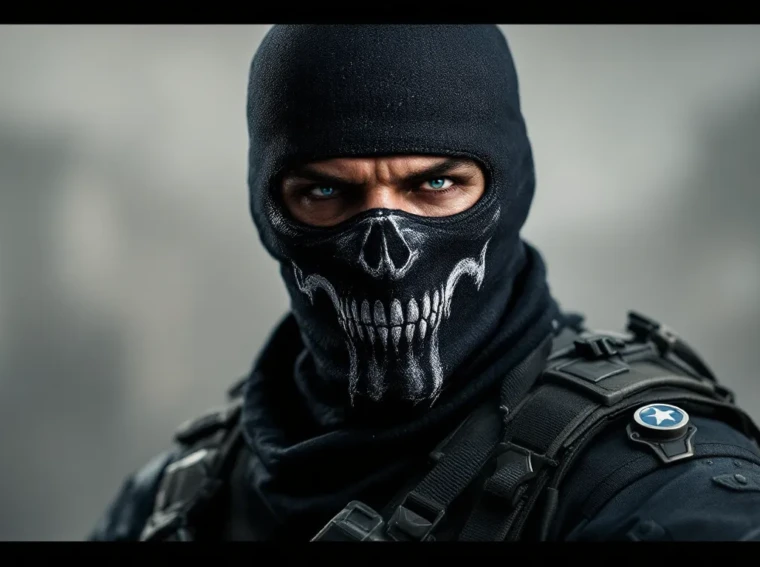
The Call of Duty Ghost meme has become one of gaming‘s most enduring and versatile pieces of internet culture. Whether you’re scrolling through Twitter, watching TikTok, or lurking in Discord servers, you’ve seen some variation of it, usually paired with relatable gaming moments, existential dread, or just pure absurdist humor. What started as a reference to one of gaming’s most iconic characters has evolved into a format so flexible that it spawns new jokes daily. In 2026, the meme shows no signs of slowing down, cementing Ghost’s place not just as a legendary character in the Call of Duty franchise, but as a genuine cultural force in gaming communities worldwide. This guide breaks down everything you need to know: where it came from, why it exploded, and what makes it stick around.
Key Takeaways
- The Call of Duty Ghost meme evolved from a beloved character into a versatile, enduring internet phenomenon that spans social media, esports commentary, and gaming culture worldwide.
- Ghost’s success as a meme relies on its flexibility and relatability—the character works across countless contexts because his stoic, tactical aesthetic resonates with gamer frustrations and aspirations.
- Ghost memes maintain durability through community infrastructure including dedicated Discord servers, Reddit archives, and TikTok creators who continuously generate fresh variations and inside jokes.
- Regional variations of Ghost meme culture reflect local gaming scenes, from North American competitive emphasis to Asian esports references, demonstrating how the meme adapts across geographic boundaries.
- The Call of Duty Ghost meme has created measurable economic value for content creators, esports organizations, and publishers while functioning as free marketing that amplifies franchise engagement.
- Ghost memes work best when used authentically within gaming contexts and communities—understanding your audience ensures the humor lands effectively rather than feeling forced or gatekeeping.
What Is The Call of Duty Ghost Meme?
At its core, the Call of Duty Ghost meme is a catch-all term for a variety of jokes, formats, and references centered around Lieutenant Riley “Ghost” from the Call of Duty franchise, specifically his iconic appearance in Call of Duty: Modern Warfare 2 (2009) and subsequent games. Ghost is instantly recognizable: skull-faced balaclava, combat gear, and that unforgettable serious demeanor that’s become perfect fodder for comedy.
But the meme isn’t just one static image or joke. It’s an umbrella category that includes everything from reaction images and reaction videos to text-based humor that plays on Ghost’s mysterious, silent-but-deadly personality. Some variations lean into his stoic nature, others twist his character into absurd scenarios, and still others use his image as a blank canvas for completely unrelated gaming observations.
What makes it distinct from other Call of Duty memes is its durability. While other memes spike and fade, the Ghost meme has maintained consistent presence across platforms and time periods, proving that there’s something genuinely resonant about both the character and the formats built around him. It’s the kind of meme that works whether you’re a hardcore Call of Duty veteran or someone who just knows Ghost from internet culture.
Origins: Where It All Started
The Original Ghost Character and Iconic Moments
Ghost didn’t start as a meme, he started as a genuinely compelling character. Introduced in Call of Duty: Modern Warfare 2, Lieutenant Simon Riley became a fan favorite thanks to his skilled gameplay mechanics, mysterious background, and that unforgettable skull mask that became his signature look. Players spent hours grinding multiplayer matches with Ghost’s character model, and his campaign moments left an impression that lasted well beyond 2009.
The most iconic moment of Ghost’s story came at the end of Modern Warfare 2’s campaign: his brutal death at the hands of General Makarov. That scene shocked players and cemented Ghost as a legendary figure in Call of Duty lore. His return in later games, Modern Warfare (2019), Modern Warfare II (2022), and beyond, kept the character in the cultural consciousness, giving meme creators fresh material to work with.
But it wasn’t just the character design or the narrative moments. Ghost’s entire existence in the franchise represented something gamers connected with: cool, competent, mysterious, and eventually tragic. These qualities made him perfect meme material.
How Internet Culture Transformed Ghost Into A Meme
The transformation from beloved character to full-blown meme happened gradually across multiple platforms and communities. Around the mid-2010s, as gaming culture became more embedded in mainstream internet spaces, Ghost started appearing in reaction images and screenshots. Players would use his serious expression to react to absurd situations, his stoic demeanor contrasting hilariously with whatever ridiculous context surrounded him.
Redditors and 4chan users began creating increasingly bizarre edits and variations. Twitter gamers latched onto the format, using Ghost as a vehicle for self-deprecating gaming humor. By 2018-2019, as Modern Warfare rebooted the franchise, Ghost’s return injected new energy into the meme ecosystem. The remade Ghost looked different, more tactical, more modern, but that skull mask remained instantly recognizable and meme-ready.
What accelerated the meme’s explosion was its adaptability. Unlike single-frame memes that get exhausted quickly, the Ghost meme could be modified, remixed, and recontextualized endlessly. A screenshot of Ghost could mean disappointment. The same image could mean determination. It could represent “me when my teammate trash talks.” It was a blank slate that communities filled with their own meaning.
By 2023-2024, the meme had reached critical mass. It wasn’t contained to gaming circles anymore. Normies knew about Ghost memes. TikTok creators were spinning variations. Discord communities had entire channels dedicated to Ghost content. The character had transcended gaming and become a genuine internet phenomenon, proving that the best memes come from something with real cultural weight behind them.
The Most Popular Ghost Meme Variations
Visual Memes and Format Trends
The visual variations of the Ghost meme are where creativity really shines. One of the most popular formats uses Ghost’s character model placed in completely incongruous situations, Ghost at a grocery store, Ghost as a yoga instructor, Ghost attending a book club. The contrast between his serious tactical appearance and mundane civilian activities creates inherent comedy.
Another dominant format is the reaction image category. Ghost’s standard expression, stern, focused, slightly ominous, works perfectly for reacting to gaming frustrations, bad teammates, or lag spikes. Players will respond to a complaint with a screenshot of Ghost’s face and zero explanation needed. The image communicates everything: acknowledgment, sympathy, shared suffering.
The split-screen comparison meme has also gained massive traction. One side shows Ghost in his tactical gear, the other shows Ghost in ridiculous outfits or scenarios. The text plays on the contrast: “Me trying to be professional” vs “Me after my friend sends me a funny video.” These variations often hit harder because they’re personalized, someone makes a version about gaming, another about work life, another about dating. The format is universal.
There’s also the timestamp and dialogue edit trend where players overlay funny or ironic subtitles on Ghost campaign moments or multiplayer gameplay footage. The gap between what Ghost’s actually saying and what the meme claims he’s saying creates absurdist humor that never quite gets old.
Reddit and Twitter have spawned variations where Ghost’s image is combined with increasingly unhinged text, pushing the meme into surreal territory. “Ghost explaining why spray patterns matter,” “Ghost on his way to reveal the meta shift,” “Ghost after you accused him of cheating.” These lean hard into gaming-specific humor that only people deep in the culture would fully appreciate.
Text-Based Jokes and Community Creations
Beyond the visual component, the Ghost meme thrives on text-based humor. The most common format is the caption meme: a single Ghost image paired with a relatable gaming statement. “When your squad gets wiped but you clutch the round,” “Me explaining to my mom why I need a $200 gaming chair,” “Ghost wondering why you’re using a sniper rifle in search and destroy.”
These captions work because they layer gaming terminology and culture onto Ghost’s serious aesthetic. The meme lives in the intersection between respect for the character and mockery of gaming behavior. It’s funny because it’s inside the community, it requires knowledge to fully land.
Community-created variations have pushed the meme into new territory. Some creators make narrative-driven content where Ghost “reacts” to modern gaming trends: streaming culture, loot box mechanics, the eternal debate between console and PC. Others create fictional scenarios where Ghost experiences everyday gamer problems, dealing with hackers, rage quitting, explaining his K/D ratio to people who don’t game.
The song mashup trend has also exploded, particularly on TikTok and YouTube. Creators pair Ghost clips with trending audio, creating new contexts for his serious expressions and tactical movements. A Ghost running through a map becomes a ghost “escaping the responsibilities of adulthood.” A Ghost planting the bomb becomes a ghost handling some abstract life problem. The flexibility is endless.
Discord communities have taken things further, creating lore-based jokes where Ghost has become a sort of internal community character with his own personality and running gags. “Ghost’s take on loadouts,” “Ghost judges your gaming setup,” “Ghost rates your gaming snacks.” These inside jokes bind communities together and keep the meme perpetually fresh within specific groups.
Ghost Meme Across Social Media Platforms
Twitter and X: Where The Jokes Thrived
Twitter has been the incubator for Ghost meme culture, particularly in gaming communities and esports circles. The platform’s retweet function and quote-tweet feature created a perfect breeding ground for meme variation and remix. What started as individual Ghost jokes evolved into full threads where users would build on each other’s content, creating meta-layers of humor.
The character limit on Twitter, now X, actually benefited the Ghost meme. Creators learned to pair minimal text with Ghost imagery, forcing them to be clever and concise. “ghosting someone be like” paired with his image. “me on my way to get rat killed by someone named xXpussy_slayer420Xx” with Ghost running. The constraints created sharper jokes.
Sports fans also latched onto the Ghost meme on Twitter, using his image to comment on everything from esports drama to traditional gaming tournament results. Professional players became meme figures themselves, and Ghost was deployed as commentary on their performances, personalities, and rivalries. Esports journalists and commentators started incorporating Ghost references into their own coverage, which accelerated mainstream awareness.
Specific moments in Call of Duty competitive gaming created Ghost meme explosions. A controversial tournament ruling? Ghost memes flood the timeline. A player pulls off an incredible play? Ghost memes celebrating it. The meme became a language for the community to process events in real-time, similar to how other communities use different meme formats.
TikTok, Reddit, and Discord Communities
TikTok transformed the Ghost meme into a video format. Creators used Ghost clips, gameplay footage, and character renders set to trending audio. The platform’s algorithm favored the Ghost meme, which meant even non-gamers started seeing variations. TikTok’s remix feature allowed users to build on each other’s Ghost content, creating chains of increasingly absurd takes.
One particularly successful TikTok trend involved creators lip-syncing to Ghost campaign scenes or multiplayer clips, turning his stoic demeanor into comedic material. The gap between the audio and Ghost’s serious expression became the joke. Some TikToks amassed millions of views, introducing the Ghost meme to audiences who’d never even played Call of Duty.
Reddit’s gaming communities, particularly r/blackops6, r/modernwarfare2, and general gaming subreddits, became archivists and curators of Ghost meme culture. Reddit’s upvote system elevated the best Ghost jokes to visibility, and the platform became a repository for meme variations. Moderators in gaming communities occasionally tried to restrict excessive Ghost posting, but the community’s attachment to the meme usually overrode these efforts.
Discord servers dedicated to Call of Duty, gaming generally, or just meme culture became epicenters of Ghost meme production. These closed communities had inside jokes and variations that rarely made it to public platforms, creating a tiered meme ecosystem. Some Discord communities had bots that would automatically post Ghost images in response to certain keywords or situations. The meme became embedded in the very infrastructure of how gaming communities communicate.
Larger Creator networks and gaming organizations noticed the Ghost meme’s staying power. Content creators on YouTube started mining Ghost meme culture for video ideas. Some created compilations of the best variations. Others did reaction videos to Ghost memes. This created a feedback loop: more exposure led to more creation, which led to more exposure.
Esports organizations have even started using Ghost references in their branding and community engagement. Because the meme is universally recognized within gaming culture, it became shorthand for speaking to fans. A team posting “Ghost has logged on” or similar references signals membership in the broader gaming culture.
Why Gamers Can’t Get Enough of the Ghost Meme
Relatability and Gaming Culture Connection
The Ghost meme persists because it speaks directly to gamer experiences and emotions. Every gamer has moments captured in Ghost meme format: the frustration of bad matchmaking, the joy of a clutch play, the confusion of meta shifts, the pain of getting killed by someone with a better connection. Ghost’s serious demeanor makes these moments feel validated rather than trivial.
There’s something about Ghost’s aesthetic that makes him feel trustworthy when expressing gaming frustrations. Unlike comedic characters, Ghost is cool. When Ghost “agrees” with your gaming complaint via meme, it feels like endorsement from someone who knows what they’re talking about. This has deeper psychological roots, we trust serious figures more, even when they’re being used in silly contexts.
The meme also captures a specific gaming identity that many players relate to: competent, no-nonsense, focused on results. Ghost represents the player everyone wants to be and the teammate everyone hopes for. When someone uses a Ghost meme, they’re implicitly claiming that identity. “This is what real gaming looks like,” the meme suggests. Whether ironic or sincere, it resonates.
Cross-platform and cross-game appeal adds to the relatability factor. Ghost belongs to Call of Duty, but his image works for commenting on any competitive game. A Counter-Strike player can use Ghost memes. An Apex Legends devotee can adapt them. A fighting game enthusiast can remix them. The character transcends his franchise, becoming a universal symbol for gaming competence and intensity.
The Role of Nostalgia in Modern Gaming Humor
Nostalgia plays a crucial role in Ghost meme culture. Modern Warfare 2 (2009) is now over 15 years old, positioning Ghost in players’ childhoods and early adulthood. The players who grew up with Modern Warfare 2 are now the demographic creating and sharing memes. There’s genuine affection tied to the character, making him a perfect nostalgia vehicle.
When Ghost was rebooted in the Modern Warfare 2022 remaster and subsequent games, it created a unique moment where both longtime fans and newer players engaged with the character. This cross-generational appeal strengthened the meme. Older gamers used Ghost to nostalgically reference “the good old days” of Call of Duty, while younger players used him as a connection point to gaming history.
There’s also nostalgia embedded in the meme format itself. The reaction image and screenshot-based memes echo early internet culture, Tumblr, 4chan, pre-2020 Reddit. Using Ghost memes feels like participating in that earlier era of internet humor, which appeals to gamers who remember when those platforms defined online gaming culture.
The specific visual style of Ghost, the tactical aesthetic, the skull mask, the commitment to looking cool while being deadly serious, represents a particular era of gaming design that many players find visually nostalgic. Games today lean differently. Having a character who looks and acts like Ghost reminds players of a specific gaming moment they lived through.
Ghost Meme vs. Other Call of Duty Memes
The Call of Duty franchise has produced plenty of meme material over the years. Captain Price’s quotes became meme-worthy. The “five-seven” one-shot debates generated endless jokes. “Danger close” spawned a thousand discussion threads that became meme fodder. Warzone’s chaos created countless moments ripe for humor. Yet the Ghost meme stands apart in terms of longevity and adaptability.
Compared to one-off memes born from specific moments, like a particular kill cam angle or a patch note typo, Ghost memes have architectural flexibility. They can be modified infinitely without losing their core identity. A one-off moment eventually exhausts itself. Ghost’s open-ended appeal means new people can create Ghost content constantly.
The nostalgia factor gives Ghost an advantage over newer Call of Duty memes. When Warzone memes peaked, they were tied to that specific game’s meta and cultural moment. Ghost transcends individual games. He’s been in multiple Call of Duty titles, multiple eras of the franchise, giving him more historical weight and cross-game relevance than characters or moments tied to one specific entry.
Visually, Ghost’s design is also more versatile than other Call of Duty meme subjects. His skull mask is instantly recognizable and stylistically flexible, it works in serious contexts, comedic ones, and everything between. Captain Price’s distinctive appearance works for jokes about gruff mentors, but Ghost’s mask has broader application.
There’s also an element of community investment. Ghost meme communities have developed culture and inside jokes that other Call of Duty memes haven’t matched. When a subreddit or Discord has dedicated Ghost meme channels and running gags, it creates ecosystem resilience. The meme becomes woven into how those communities function, not just something they consume.
That said, other Call of Duty memes coexist healthily with Ghost memes. They serve different purposes, appeal to different sub-communities, and evolve at different rates. But in terms of mainstream gaming culture recognition and staying power, Ghost sits at the top of the Call of Duty meme hierarchy. Most gamers, even non-COD players, know about Ghost memes. They might not know specific Ghost meme variations, but they recognize the character and understand the format immediately.
How To Use and Share Ghost Memes Responsibly
Using Ghost memes effectively means understanding context and audience. In gaming Discord servers and Twitter gaming communities, Ghost memes are native language. Dropping a Ghost reaction image to someone’s complaint gets instant understanding and often genuine laughs. But in mixed communities or professional contexts, Ghost memes require more careful handling.
The key is reading your audience. A Discord server full of hardcore gamers? Go wild with Ghost content. A company Slack channel? Probably not the place for skull-masked soldier imagery, even as a joke. Professional esports commentary or content creation targeting mainstream audiences? Ghost memes can still work if used sparingly and explained, but they’re not the default choice.
When sharing Ghost memes across platforms, consider that context travels differently. A Ghost joke that kills on Twitter might confuse people seeing it on Instagram or TikTok without prior gaming knowledge. The meme’s internal logic requires some familiarity with gaming culture, Call of Duty specifically, or at least recognizing Ghost’s aesthetic. Sharing to audiences unfamiliar with these contexts requires more explanation or adaptation.
Responsible sharing also means not forcing Ghost memes into conversations where they don’t belong. Ghost meme communities thrive when the humor feels organic and earned, not ham-fisted. Using a Ghost meme as a lazy deflection or to avoid genuine conversation kills what makes the meme work, it’s actually a creative way to comment on something specific.
There’s also ethical territory around meme remixing and crediting. If you’re adapting another creator’s Ghost meme concept, crediting them strengthens community culture rather than weakening it. Meme communities function through remix and variation, but acknowledging the original creator, even just in the caption, maintains trust.
Avoid using Ghost memes to mock people outside gaming culture or to gatekeep. The best memes punch at shared experiences, not at people. A Ghost meme about “people who don’t understand gaming” is less interesting and more divisive than one about something universal, frustration, determination, processing absurdity. The meme works best when it’s inclusive to gaming culture, not exclusive to it.
On platforms like TikTok and Instagram, proper crediting becomes even more important. When reposting Ghost meme content, tag the original creator if you know them or use the platform’s sharing features that credit the source. This simple habit keeps creator communities healthy and encourages continued content production.
Finally, recognize when Ghost meme culture becomes self-referential to the point of losing meaning. Memes naturally evolve toward abstraction and inside jokes. This is fine, and often great, within smaller communities. But it’s worth occasionally asking whether you’re still communicating effectively or just performing membership in a meme community. The best Ghost meme usage balances inside jokes with genuine expressiveness about gaming or life.
The Future of Ghost Meme Culture
Predicting meme longevity is notoriously difficult, but Ghost has characteristics suggesting staying power. The character remains integrated into Call of Duty’s ongoing operations. Modern Warfare 3, Call of Duty 2024 updates, and whatever comes next will keep Ghost in active gameplay. This sustained presence fuels meme creation, every new cosmetic, every new campaign mission, every competitive season generates potential meme material.
The franchise’s commitment to the Ghost character arc also matters. If Call of Duty continues developing Ghost’s story meaningfully, players stay invested in the character beyond pure nostalgia. That emotional investment translates to meme production. People create memes about characters they care about.
Community infrastructure around Ghost memes has also solidified in ways that suggest durability. When entire Discord servers, subreddits, and social media accounts dedicate themselves to a meme, it achieves a kind of stability. Even if the broader internet moves on, these communities preserve and continue Ghost meme culture. Look at how communities maintain ancient memes, the Ghost meme has achieved that status.
There’s also potential for meta-evolution. As the Ghost meme ages, newer variations might comment on the meme’s own history. “Ghost memes in 2026 be like…” formats could emerge where the joke is about the meme format itself, similar to how other long-lived memes have evolved. This self-referential capability extends shelf life.
Cross-cultural spread represents another growth vector. While the Ghost meme is predominantly English-language gaming culture, international gaming communities are increasingly meme-savvy. Translation doesn’t work perfectly for all Ghost jokes, but the visual format travels well. We might see Ghost meme variations adapted to other languages and cultural contexts, broadening the meme’s reach and complexity.
On the platform side, emerging social media formats create new opportunities for Ghost content. AI-generated images and videos could produce Ghost memes at scales previously impossible. But, this also risks diluting what makes Ghost memes work, the human creativity and specific gaming knowledge behind them. The best memes blend authenticity with humor. AI-generated Ghost content might trend but lack the resonance of community-created variations.
There’s also potential for Ghost meme integration into mainstream gaming media and entertainment. If Call of Duty films, TV shows, or other adaptations happen, Ghost inevitably becomes part of that media, and those adaptations generate new meme opportunities. The character becomes richer, more layered, giving meme creators more material.
Eventually, the Ghost meme’s future depends on whether gaming communities continue finding it genuinely funny and useful for communication. As long as Ghost remains a recognizable gaming figure and as long as gamers discover new ways to remix his image, the meme will persist. It’s moved beyond trend into cultural infrastructure, something gaming communities reference and build upon reflexively.
Conclusion
The Call of Duty Ghost meme represents something profound about gaming culture in 2026: the ability of a single character to transcend his original context and become a universal language for expressing gaming experiences. From his iconic introduction in Modern Warfare 2 through countless reboots and remasters, Ghost has evolved from tactical operator to meme deity, a visual shorthand for everything from gaming frustration to existential dread to simple relatability.
What makes Ghost’s meme legacy sustainable is the balance between specificity and flexibility. The meme requires enough gaming knowledge to land, creating natural communities of shared understanding. But it’s flexible enough that it works in countless contexts, allowing infinite remixing and adaptation. Ghost memes are simultaneously deeply tied to gaming culture and absurdist enough to appeal beyond it.
The infrastructure supporting Ghost meme culture, dedicated Discord communities, Reddit archives, TikTok creators, Twitter enthusiasts, ensures continuity regardless of trending cycles. These communities have made Ghost memes into their native communication language, giving the format institutional resilience that most memes never achieve.
Whether you’re a competitive esports player, a casual gamer, or someone who just knows Ghost from internet culture, the meme works for you somehow. That universality, combined with genuine affection for the character and the gaming experiences Ghost represents, explains why the Call of Duty Ghost meme took over gaming and shows every sign of staying around for the long haul.
Ghost Meme Across Different Gaming Contexts
The Ghost meme’s versatility extends beyond social media into actual gaming contexts. In competitive esports, Ghost references became part of the analytical vocabulary. When a player demonstrates exceptional positioning, discipline, and results even though challenging circumstances, teammates and commentators describe it as “Ghost-level gameplay”, meaning silent, effective, with zero wasted motion. This casual professionalization of Ghost references embedded the meme into esports culture at the commentary level.
Streamers on Twitch have incorporated Ghost memes into their broadcast overlays, emotes, and community interactions. When a streamer pulls off a clutch play or suffers an embarrassing death, chat floods with Ghost emotes or Ghost-related comments. Some communities have exclusive Ghost emotes, custom versions featuring Ghost in different expressions. These become in-group identifiers, visual proof of community membership.
You can find Ghost references across gaming platforms and communities far beyond Call of Duty. Players in Valorant, Counter-Strike 2, Apex Legends, and other competitive shooters use Ghost comparisons when discussing player performance. The meme has become a lingua franca for tactical, skilled, results-oriented play. Someone says “he’s playing Ghost” and experienced gamers immediately understand: calm, focused, effective.
Content creators have built entire channels around Ghost meme compilations and reviews. Channels documenting the history of Call of Duty memes inevitably dedicate substantial content to Ghost variations. These videos serve as both entertainment and archival function, preserving meme history for future generations. The Ghost meme has become significant enough that gaming historians document it.
Even gaming hardware companies have started referencing Ghost culture. Some gaming chair brands, keyboard manufacturers, and equipment retailers incorporate Ghost imagery or Ghost-inspired designs into their marketing. The meme became valuable enough that companies recognized commercial potential in associating with Ghost’s tactical, serious aesthetic. This mainstream commercial attention accelerates the meme’s reach while potentially threatening its authenticity, a natural tension in meme evolution.
The Ghost meme also shows up in gaming tutorials and educational content. When explaining proper positioning in tactical shooters, instructors might reference Ghost as the standard for efficient, effective gameplay. “You want to move like Ghost: careful, purposeful, aware of your surroundings.” This educational use of the meme gives it functional value beyond humor. Memes that become useful for communication transcend their origin.
There’s also a philosophical dimension worth considering. Ghost memes often express something genuine about gamer psychology, the fantasy of being competent, serious, focused on results without ego or showiness. Using a Ghost meme isn’t purely joking. There’s an aspirational element. Gamers want to be Ghost. Ghost is cool in ways that matter to gaming culture. The meme captures that desire while allowing players to express it with ironic distance. You can simultaneously mock gaming seriousness and genuinely value it through Ghost memes.
Ghost Meme Economics: How Memes Become Cultural Assets
The Ghost meme has inadvertently created economic value for multiple stakeholders. Call of Duty’s developers benefit from sustained character interest and engagement. When Ghost memes trend, it drives engagement metrics that publishers track and celebrate. The meme essentially functions as free marketing, millions of people discussing and sharing Ghost-related content across platforms, generating organic reach that paid advertising rarely achieves.
Content creators have built careers partly on Ghost meme content. YouTube channels, Twitch streamers, TikTok creators, and Twitter accounts leveraging Ghost meme culture have generated followers, sponsorship deals, and revenue streams. The meme became a competitive advantage for creators already embedded in gaming culture. Someone producing high-quality Ghost meme content could build audience and income specifically through that niche.
Esports organizations recognized Ghost meme culture as valuable community engagement currency. Teams could reference Ghost and instantly signal that they understand gaming culture. Sponsorships and brand partnerships became possible because companies wanted to advertise within communities that understood and produced Ghost memes. The meme became a cultural marker that audiences recognized and trusted.
Merchandise markets emerged around Ghost imagery. T-shirts, hoodies, hats, and gaming gear featuring Ghost or Ghost meme formats became purchasable. Official Call of Duty merchandise sometimes features Ghost prominently, capitalizing on the meme’s popularity. Secondary market resellers profit from selling Ghost-related items. The meme transformed into commercial product.
From a purely economic standpoint, the Ghost meme represents how cultural products generate value beyond their original intended use. Call of Duty executives didn’t anticipate Ghost becoming a meme economy driver. But the character’s design, the game’s commercial success, and community creativity combined to create genuine financial impact across multiple industries. That’s the hidden economics of viral internet culture.
There are lessons here about how characters, franchises, and intellectual property gain cultural penetration and longevity. Ghost became more valuable culturally as a meme than he might have otherwise. The meme amplified interest in the character, which sustained interest in Call of Duty itself. It’s a feedback loop where the meme and the original product reinforce each other’s cultural significance.
Regional Variations in Ghost Meme Culture
Ghost meme culture isn’t monolithic. Different gaming regions have developed distinct Ghost meme styles and references reflecting their local gaming scenes and cultural contexts. Understanding these variations reveals how memes adapt across geographic and cultural boundaries.
In North American gaming communities, Ghost memes typically emphasize individualism and competitive excellence. The meme celebrates the lone operator mentality, one skilled player making a difference. References focus on personal clutch moments, self-reliance, and standing out from less skilled players. The competitive esports culture heavily influences North American Ghost meme variations.
European gaming communities tend to incorporate Ghost references into more communal and social commentary. The meme gets used to discuss squad dynamics, team communication, and collective competitive success. European Ghost memes sometimes include humor about regional rivalries in esports, specific tournaments, or platform preferences (PC dominance in many European communities influences gaming references).
Asian gaming communities, particularly in countries with massive esports infrastructure like South Korea and China, have developed Ghost meme variations tied to professional esports culture. References to specific professional players, tournament moments, and meta-discussions flavor Ghost meme content. The meme serves similar communication functions but with different reference points and competitive contexts.
Latin American gaming communities have adopted Ghost memes with modifications reflecting their own gaming culture. The meme gets translated and adapted, sometimes with humorous translations of Ghost’s serious demeanor and tactical references. Language variations create unique Ghost meme styles in Spanish-language gaming communities.
Middle Eastern and African gaming communities engage with Ghost memes while navigating their own gaming infrastructure and accessibility challenges. The meme gets adapted to discuss specific regional gaming moments, server quality issues, and regional esports developments. Global meme culture intersects with local gaming concerns through Ghost references.
These regional variations don’t fragment the Ghost meme, they enrich it. When international gaming communities interact and share Ghost meme content, exposure to different variations creates new hybrid formats. The meme becomes more complex and layered through these interactions.