
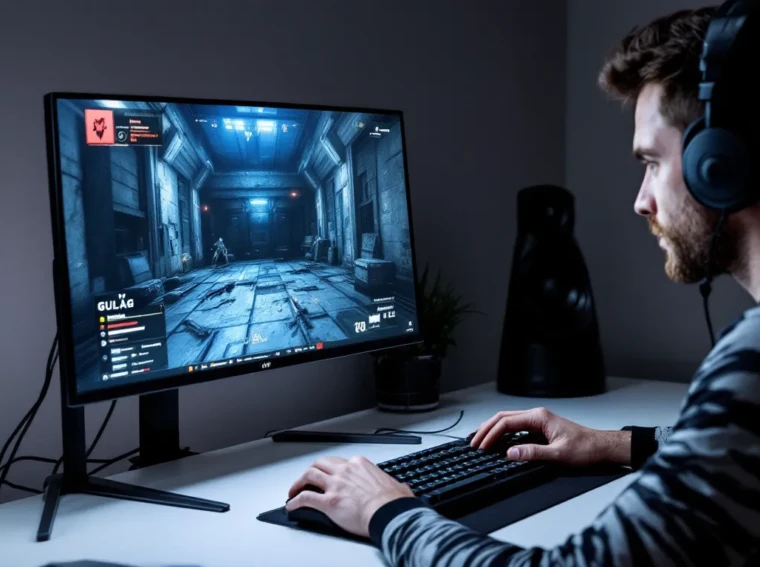
The Gulag is one of the most intense moments in Warzone 2.0, a do-or-die 1v1 showdown where a single victory means a second chance at the match. Whether you’re grinding ranked play or hunting for wins in casual lobbies, mastering the Gulag can be the difference between clutching a comeback and spectating your squad for the next 15 minutes. This isn’t just about reflexes: it’s about weapon knowledge, positioning, and psychological warfare. The Warzone Gulag demands respect, preparation, and a deep understanding of how the meta shifts from season to season. If you’ve been struggling in these high-pressure encounters, you’re in the right place. We’ll break down everything from fundamental mechanics to competitive-level strategy that’ll have you walking out of that prison victorious.
Key Takeaways
- The Gulag is a high-pressure 1v1 arena match in Warzone 2.0 that determines whether you get a second chance or spectate your squad, making it crucial to master for competitive success.
- Weapon choice in the Gulag varies seasonally, but SMGs dominate most metas due to their versatility, while snipers, shotguns, and rifles excel in specific arena layouts.
- Map control and positioning matter more than raw weapon power—prioritize reaching strong positions with cover and high ground before your opponent rather than chasing specific weapon spawns.
- Gulag victories depend on three technical pillars: accurate aiming under pressure, predictive positioning, and understanding opponent behavior patterns to anticipate their movements.
- Common mistakes like tunnel vision on weapons, panicking when pressured, and repeating failed strategies directly lose Gulag fights—adaptation and mental discipline separate casual players from competitive winners.
What Is The Gulag In Call Of Duty Warzone?
The Gulag is a 1v1 isolated arena match that activates when a player is eliminated during the early stages of a Warzone match. Instead of being sent straight to the Gulag’s spectator timeout, you’re given an immediate chance to fight one opponent in a confined space with randomly assigned weapons. Win, and you’re thrown back into the main map to rejoin your squad. Lose, and you’re finished unless a teammate can buy you back at a buy station with cash.
This mechanic transformed Warzone from a pure battle royale into something closer to a hybrid mode. The Gulag forces encounters that regular firefights don’t, there’s nowhere to run, no third-partying, and no luck-based loot. It’s pure gunplay and game sense. Most players get their first Gulag invite around the 30-second mark, though the exact timing depends on match flow and how quickly eliminations happen across the map.
The Gulag isn’t just a side feature: it’s central to modern Warzone strategy. Teams that win Gulags consistently have a massive advantage early on, building momentum and psychological edge. Conversely, losing multiple Gulags can snowball into early team wipes if you don’t have the cash to rebuy. Understanding the Gulag’s role in the larger match economy is crucial for competitive play.
How The Gulag Respawn System Works
The Gulag respawn system is layered, it’s not a simple “win or die” mechanic. The first time you’re eliminated (or your squad is eliminated early), you’re immediately transported to the Gulag. You don’t respawn directly into it: instead, you’re queued into a 1v1 match against another eliminated player from a different squad. The match itself is quick, usually 30 seconds to a minute depending on how aggressive both players play.
First Gulag Round Mechanics
Your first Gulag experience happens in a confined arena with preset weapon spawns. Both players start unarmed and must race to grab weapons scattered around the space. The weapons rotate seasonally, recent seasons have featured everything from MP7 SMGs to LW3A1 Frostline snipers to Marine SP shotguns. The arena layout changes too, sometimes featuring tight corridors (favoring SMGs and shotguns) and other times open sightlines (sniper territory).
You don’t choose your loadout in the first Gulag: it’s entirely random. This is where adaptability becomes critical. A player who can excel with any weapon will outperform someone who relies on one specific meta gun. You spawn on one side of the arena, your opponent spawns on the other, and you have roughly 60 seconds to eliminate them. The first to land enough damage wins, typically one or two clean shots depending on the weapon.
There’s also a gas collapse mechanic that forces players toward the center. If you’re losing a firefight, the gas can sometimes save you by damaging your opponent as they chase you down. It’s rare but critical in clutch moments. The round ends when one player is eliminated or when the gas kills both (in which case both respawn in a sudden-death overtime, typically with pistols only).
What Happens After You Lose The First Gulag
Lose your first Gulag and you’re not out, you get one more lifeline. You’re transported back into the main map, but here’s the catch: you’re dead without a buyback. Your squad has roughly two minutes to scrape together $4,500 at a buy station to bring you back into the action. This is where squad economy management becomes vital.
If your squad doesn’t have the cash, you’re stuck spectating. If they do, you respawn at the buy station with a pistol and a few essentials, ready to rejoin the fight. Some squads prioritize buying back a strong teammate immediately: others might let a player spectate for a few seconds while they farm more eliminations for cash.
In later Warzone iterations, the Gulag returns are less straightforward. Losing multiple times in a single match means you’re eventually cut off from Gulag access entirely, forcing your squad into full-team respawn mechanics or permanent elimination. The exact rules shift with seasonal updates, so always check the current patch notes before assuming mechanics from previous seasons apply.
Best Weapons And Loadouts For Gulag Success
Since the Gulag rotates weapons seasonally, there’s no single “best” loadout. But, certain weapon classes dominate based on arena design and engagement ranges. Understanding each class and when to use it separates good Gulag players from great ones.
Sniper And Tactical Rifle Strategies
Sniper rifles like the LW3A1 Frostline and GPMG-7 (when available) reward positioning and pre-aiming. If the Gulag arena is open with long sightlines, snipers can be devastating, one headshot ends the match instantly. The downside: you need precision under pressure, and if your opponent closes distance, you’re vulnerable during scopes and rechamber animations.
Tactical rifles like the XM4 offer a middle ground. They scope faster than snipers but hit harder than SMGs, making them forgiving for players who aren’t sharpshooters. In tight arenas, though, you’ll struggle against aggressive SMG players who rush you before you can scope.
Sniper success in the Gulag comes down to three things: anticipating spawns, understanding sightlines, and committing to high-ground positions. If you spawn near an elevated area, rush it immediately. Force your opponent to either challenge you uphill (disadvantage) or avoid your sightline (wastes time). Watch for player movement patterns, most players sprint straight toward the center initially, creating predictable sight-lines you can prefre.
Shotgun And Close-Range Dominance
Shotguns are the Gulag’s wild card. In tight arenas, a Marine SP or Jackal PDW (when available) can one-shot at close range, ending matches in seconds. They’re high-risk, high-reward weapons that demand aggressive positioning and map knowledge. Players who use shotguns successfully in the Gulag are fast, they grab the gun and immediately push toward the enemy spawn, catching opponents before they’re ready.
Shotgun strategy relies on controlling tight corridors and forcing close-quarters encounters. If the Gulag has narrow hallways, grab a shotgun and control them. If it’s wide open, a shotgun puts you at a massive disadvantage against snipers or rifles. The weapon itself is secondary: it’s all about arena control and timing.
One critical tip: most shotgun kills in the Gulag come from pre-aiming choke points rather than pure reflexes. Anticipate where your opponent will move, position yourself around a corner, and let them walk into your crosshairs. Experienced players see a shotgun-wielding opponent and actively avoid tight spaces, so adapt by controlling objectives and forcing your opponent into bad angles.
SMG And Movement-Based Tactics
SMGs like the MP7, Kompakt 92, and Jackal PDW are the Gulag’s most consistent weapons. They excel in medium-to-close range, have fast TTK (time-to-kill), and reward aggressive movement. SMG players win by staying mobile, strafing unpredictably, and closing distance faster than their opponents can react.
SMG success depends on your aim fundamentals. Continuous strafing left and right while keeping shots on target is harder than camping a sniper sightline, but it’s more forgiving, you don’t need perfect accuracy, just consistent damage output. SMGs also let you adapt on the fly: if an opponent is defensive, you push: if they’re aggressive, you back up and kite.
The meta in most seasons favors SMGs for the Gulag because they work in almost any arena configuration. They’re not “best” against snipers at range, but they’re versatile, they perform adequately everywhere, which beats excelling in one scenario only. The Loadout covers seasonal weapon tier lists and meta shifts that can help you stay updated on which exact SMG is dominating in the current patch.
Essential Gulag Combat Tips And Techniques
Raw weapon choice is only half the battle. The difference between a 50% Gulag win rate and an 80% win rate is pure technique, positioning, aiming discipline, and psychological edge.
Map Control And Positioning
The Gulag is small, but it’s not symmetrical. One side might have a power position (high ground, cover, sightlines), while the other is exposed. The moment you spawn, your priority is reaching a strong position before your opponent does. Strong positions offer cover, sightlines, and escape routes.
Most players make the mistake of running straight for weapons. Instead, run toward positional advantage while grabbing a weapon. If the sniper is on the far side of the map but there’s a central crate with an SMG and good cover nearby, take the SMG and the cover. You’ll trade raw damage potential for survivability, a solid trade.
Another critical concept: high ground wins Gulag fights. If you’re elevated, you have sightlines your opponent doesn’t. Elevated positions also make you harder to hit when you’re strafing. Whenever possible, route to higher terrain, even if it’s a slight incline.
Map familiarity is huge. Spend time in private matches or watch Gulag clips to memorize spawn points and power positions. When you spawn, you should instantly know where your opponent likely spawned, what route they’ll probably take, and which weapon spawns they can access. This pre-game knowledge shaves seconds off decision-making, which matters when matches last 45 seconds.
Aiming And Accuracy Under Pressure
Gulag encounters aren’t long, they’re often decided in the first 15 seconds of actual contact. This means your first shots have disproportionate value. A player who lands three bullets immediately beats a player who lands five bullets after fumbling initially.
Under pressure, your crosshair placement degrades. Most players aim at chest level in normal matches, but in the Gulag, panic raises aim toward the head. This is actually okay for SMGs (headshots are faster kills), but it ruins precision for sniper or rifle users. Pre-aim before you engage. As you approach an engagement, predict where your opponent’s head will be and place your crosshair there before they round the corner.
Strafing is simultaneously your greatest strength and weakness. Strafing while shooting throws off your accuracy, your recoil control suffers, and your crosshair drifts. The solution: stop briefly after every few shots to stabilize. You don’t need to be stationary: just pause your strafe for a split second between bursts. This isn’t realistic, but it’s effective. Your opponent is panicking and spraying: you’re controlled and methodical.
One more technique: pre-fire doorways and corridors where you expect opponents. If you see a narrow passage and suspect an opponent is there, fire a burst before they appear. You’ll either damage them preemptively (huge advantage) or keep your weapon ready as they emerge. Pre-firing uses your game knowledge and forces reactionary plays from your opponent.
Advanced Gulag Strategy For Competitive Play
Casual Gulag wins happen by out-aiming your opponent. Competitive Gulag wins happen by outthinking them. This is where meta knowledge and psychology matter.
Reading Your Opponent And Predicting Movement
Every player has habits. Some always rush weapons: others play defensively and farm resources. Some strafe left when under fire: others panic-jump. In the first 5 seconds of a Gulag fight, you’re gathering data on your opponent’s style. A veteran player consciously adjusts their strategy based on this data.
If your opponent is aggressive, back up and kite. Force them to chase you through funnels where your team can third-party (if the Gulag allows it, some modes don’t). If they’re defensive, push with overwhelming pressure. Smoke grenades or flashbangs (if available in the loadout) become psychological weapons, even if they don’t directly damage, they force reactions, and reactions are mistakes.
Watch their weapon choice. A sniper-wielding opponent must maintain distance. A shotgun player needs close range. An SMG user is balanced but momentum-dependent. Once you know their weapon, you know their likely playstyle. Exploit it. If it’s a sniper, spam strafes in the open and close distance. If it’s a shotgun, stay at medium range where the weapon loses TTK advantage.
Anticipating movement is another layer. After you exchange fire a few times, your opponent develops patterns. They might always strafe right when low, or always jump when pressured. Notice these patterns and pre-aim accordingly. You’re not reacting to their movement anymore: you’re predicting it.
Economy Management And Loadout Selection
In team-based Gulag modes or squad respawn scenarios, cash management is crucial. Your Gulag performance directly impacts your team’s economy. Win a Gulag, and your team doesn’t need a $4,500 buyback, that’s cash for killstreaks, advanced loadouts, or utility items. Lose multiple Gulags, and your squad hemorrhages money.
This creates a subtle strategy: sometimes, intentionally losing a Gulag early (by not going all-out) saves your team a buyback and lets you farm eliminations for better cash flow later. This is advanced and risky, it only works if you’re confident your squad can outfarm and out-position enemies, but high-level teams occasionally employ it.
Loadout selection (when available) is situational. Bring your best-in-slot gun for the current meta, but also consider the opponent’s likely loadout. If everyone’s running SMGs this season, maybe bring a sniper with good optics to catch them at range. Dexerto frequently covers competitive meta shifts and which weapons are dominating esports events, so staying informed on the current competitive landscape is valuable.
In modes where you can customize loadouts between Gulag rounds, your first match is intel-gathering. You learn the arena, the spawns, and your opponent’s skill level. Your second Gulag (if you die and get bought back) is where you exploit that knowledge. Adjust your loadout based on what you learned: if the arena is tighter than expected, swap to SMG: if it’s open, go sniper.
Common Gulag Mistakes To Avoid
Understanding what not to do is just as valuable as knowing what to do.
Tunnel vision on weapons. Players often fixate on grabbing a specific gun (the sniper, the shotgun) and ignore positioning. By the time they grab it, their opponent is already in a power position shooting at them. Prioritize position over equipment. A mediocre weapon in a good position beats a great weapon in a bad position.
Panicking when pressured. New players sprint in random directions when under fire, creating predictable patterns. Experienced opponents pre-aim your escape route and gun you down. Instead, retreat deliberately toward cover or high ground. Even if you’re losing, a tactical retreat to better terrain can flip the fight.
Ignoring the gas. The Gulag’s gas collapse is often overlooked. Players tunnel on dueling their opponent and don’t notice they’re both about to get gassed. Pay attention to the collapse timer and plan your positioning accordingly. Sometimes, baiting your opponent into gas while you’re safe in clear air is a free win.
Overcommitting to range. If you grab a sniper but the arena is small and tight, you’re handicapping yourself. The moment you spawn, quickly assess the arena size and adjust your playstyle. A sniper in a 1v1 corridor is useless: an SMG in a wide-open space is suboptimal. Work with what you get, don’t work against it.
Poor communication in squad Gulags. If your squad is watching, call out what you see: “Opponent has a sniper, positioning high-ground left,” or “They’re rushing center weapon crate.” Your squad can prepare their rotation based on where you are. Poor communication means your squad doesn’t know if you’re about to get bought back, and they waste resources.
Repeating failed strategies. If you tried rushing center twice and got sniped both times, don’t try it a third time. Adapt. Take a flanking route, secure high ground first, or position defensively. A player who adapts within a match beats a player who executes one strategy rigidly.
One more: not pre-loading your sensitivity and crosshair placement before spawning. In the seconds before a Gulag activates, adjust your sensitivity if it feels off, disable motion blur temporarily, and mentally prepare your positioning. These micro-optimizations matter when matches are decided in milliseconds.
Conclusion
The Gulag is where Warzone separates casual players from competitive ones. It’s a moment of pure, concentrated gameplay, no luck, no third-parties, just you, your opponent, and your fundamentals. Mastering it means understanding weapon rotations, arena layouts, positioning principles, and the psychological layer of reading opponents.
Start by mastering the basics: spawn recognition, positional advantage, and consistent aiming. Once those feel automatic, layer in advanced concepts like pre-firing, opponent reading, and economy-aware decision-making. Consistency is built through repetition. Spend time in practice arenas, watch high-level Gulag clips on esports channels, and actively review your own losses, what position did you take, what weapon did you grab, where did you fail?
Meta shifts every season as weapons are buffed and nerfed, but the principles remain constant. Game Rant’s guides cover Warzone updates comprehensively, helping you stay informed when patch notes rotate new weapons into the meta. Whether you’re grinding ranked or pushing for tournament wins, a sharp Gulag game is non-negotiable. Now get in there and start practicing, those Gulag wins aren’t going to earn themselves.