
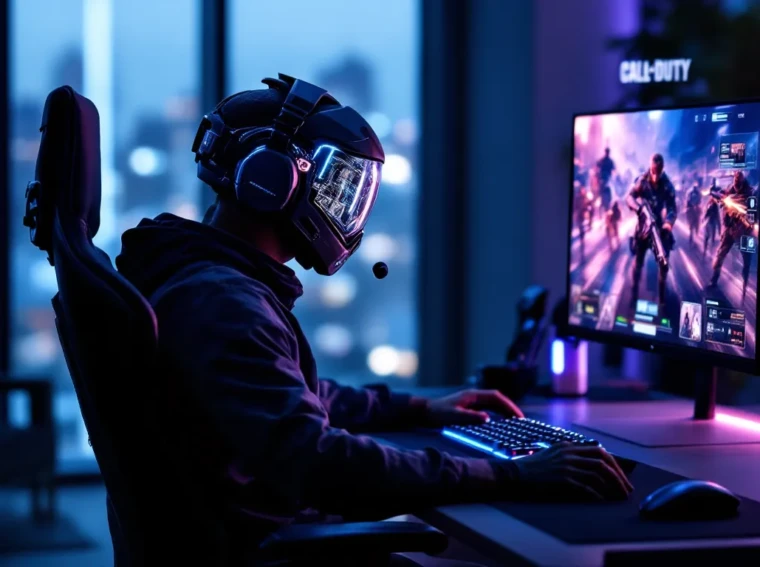
Whether you’re grinding multiplayer matches or climbing the competitive ranks, your operator’s helmet is more than just cosmetics, it’s a tactical choice that shapes how enemies perceive you and how you perform in combat. Call of Duty helmets have evolved from simple visual upgrades into strategic gear that impacts visibility, armor values, and overall loadout cohesion. In 2026, with Modern Warfare III, Warzone, and Black Ops 6 still dominating the franchise, understanding helmet mechanics and finding the right headgear for your playstyle isn’t just about looking sharp, it’s about gaining every edge possible. This guide breaks down everything you need to know about Call of Duty helmets, from how they function in-game to the top-tier options that pros and casual players swear by.
Key Takeaways
- Call of Duty helmets serve dual purposes as cosmetic customization and functional gear that directly impact visibility, armor values, and competitive performance.
- Helmet choice affects gameplay mechanics including damage reduction and silhouette visibility—a tactical consideration that separates serious competitors from casual players.
- S-Tier legendary helmets like Obsidian Compact and Phantom Operator offer superior advantages, while A-Tier options such as Commando Pro provide reliable performance for competitive ladder climbing.
- Unlock Call of Duty helmets through seasonal battle passes (4–6 hours of gameplay), challenge completion, or cosmetic bundles ($20–25 USD) for faster access to premium designs.
- Match your helmet selection to your playstyle and game mode—prioritize lighter profiles for multiplayer visibility and heavier armor for Warzone squad-based combat.
- Professional esports players favor balanced A-Tier designs that offer visual recognition and gameplay consistency, demonstrating that coordinated loadouts contribute to both performance and team branding.
What Are Call Of Duty Helmets And Why They Matter
Call of Duty helmets are operator head cosmetics that serve dual purposes: they’re visual customization pieces that let you express your style, and they’re functional gear with gameplay implications. Unlike some cosmetic-only items, helmets in recent titles like Modern Warfare III directly influence your operator’s hitbox profile and can affect how visible you are to enemies at certain angles and distances.
Why do they matter? Because in a fast-paced FPS where split-second decisions determine wins and losses, every detail counts. A helmet that reduces your silhouette on rooftops or around corners gives you a subtle but real advantage. Also, helmets are tied to armor plating mechanics in Warzone and other modes, certain designs offer better coverage values, meaning more damage reduction when equipped with protective vests or armor plates.
For players serious about climbing the competitive ladder or just crushing it in public matches, selecting a helmet isn’t vanity. It’s part of your competitive setup, alongside your weapon attachments and perks. Streamers and esports pros spend significant time perfecting their operator loadouts, and helmet choice is often part of that meta optimization. Whether you’re playing on PC, PlayStation 5, Xbox Series X
|
S, or mobile, helmet selection shapes your in-game presence.
The Evolution Of Helmet Design In Call Of Duty Games
Classic Designs Through The Ages
Call of Duty’s helmet designs have come a long way since the franchise’s early days. Back in the original games, operator customization was minimal, you got basic military gear, and that was it. Helmets were functional afterthoughts, mostly tied to faction selection rather than individual choice. Fast-forward to the Call of Duty 4: Modern Warfare era, and cosmetics started becoming a bigger deal, but helmets were still relatively generic.
By the time Black Ops 2 rolled around, players could differentiate their operators more meaningfully. Helmets started becoming recognizable: berets, tactical helmets, and specialized headgear for different operator roles. The designs remained grounded in military authenticity, drawing from real-world special operations gear. These classic designs still appeal to traditionalists who want their operators to look battle-hardened and practical rather than fantastical.
They’re often earned through seasonal challenges or battle pass tiers, rewarding consistent play and dedication. Classic helmet designs are the foundation of operator aesthetics, they look professional, they age well, and they don’t feel out of place regardless of the season or map rotation.
Modern Tactical Iterations
Modern Warfare III and Black Ops 6 represent the current pinnacle of helmet design sophistication. Developers now craft tactical helmets with intricate details: night vision mounts, realistic camo patterns, integrated comms systems, and advanced protective plating. These modern designs pull from contemporary military aesthetics while balancing gameplay visibility.
Tactical iterations go beyond just looking cool, they’re designed with gameplay mechanics in mind. Some helmets feature wider visors that improve visibility in-game, while others have more integrated designs that reduce your profile. Bundles often pair helmets with matching face paint, body armor, and weapon blueprints, creating cohesive operator skins that feel premium.
The seasonal content drops ensure fresh helmet designs regularly. Limited-time cosmetics create urgency and collectibility, especially when they’re tied to popular franchises or real-world events. Modern tactical helmets represent the cutting edge of both design and gameplay consideration, they’re what competitive players and streamers gravitate toward because they offer visual appeal without sacrificing in-game performance.
How Helmets Impact Gameplay And Character Statistics
Armor Rating And Damage Reduction
Helmets directly tie into your operator’s armor values in modes like Warzone and multiplayer with armor mechanics. When you equip a helmet alongside armor plating, you’re increasing your total effective health pool. Different helmet designs have different armor ratings, not in a raw stat sheet sense, but in how their physical models interact with damage modeling.
A bulky tactical helmet with reinforced plating offers more protection than a lightweight beret, though this varies by game version and current patch balance. In Warzone, helmet choices affect how much damage you absorb in the head and neck region before armor plates crack. This means a heavier helmet setup might save you 10-15% more damage in a firefight compared to lighter options.
Damage reduction also scales with your armor plate tier. Wearing a heavy armor plate with a robust helmet compounds your survivability, it’s one of the reasons competitive squads coordinate their loadouts. The meta shifts with patches, so what’s optimal now might change next season. Always check the latest patch notes on official Call of Duty channels or community resources to ensure your helmet choice aligns with current balance.
Visibility And Player Silhouettes
This is where helmet design gets genuinely strategic. Your helmet’s profile directly impacts how visible you are from certain angles. A narrow, sleek design reduces your silhouette from the side and makes you harder to spot when peeking around corners. A bulky, angular helmet is more visible but often offers better armor protection, it’s a trade-off.
Map knowledge combined with helmet selection can create real advantages. On maps with rooftop engagements, a low-profile helmet helps you stay hidden when scoped in. In tight indoor corridors, a bulkier helmet with integrated attachments might make you a slightly bigger target, but the confidence it inspires in your teammates and the potential armor benefit might be worth it.
Visibility also matters for enemy detection ranges. Certain helmet designs break up your operator’s outline better in dark areas, making you harder to spot with thermal scopes or at distance. This is especially relevant in Warzone, where spotting enemies at range before they spot you determines engagements. Pro players often choose helmets not just for armor values but for their silhouette advantage in specific engagement distances.
Top Call Of Duty Helmets Ranked By Tier
S-Tier Legendary Helmets
Legendary helmets are the gold standard, they’re either incredibly rare, part of sought-after bundles, or tied to specific seasons where demand was highest. These aren’t necessarily the “best” in pure stats, but they’re iconic, visually distinctive, and often offer solid gameplay advantages.
- Obsidian Compact: A sleek, minimal design that reduces your operator’s profile significantly. The dark finish doesn’t reflect light as much as shiny metallic helmets, making you harder to spot in shadows. Pairs excellently with dark-camo weapon blueprints.
- Phantom Operator: Integrated night vision and advanced tactical plating. Heavy on armor rating but instantly recognizable. Popular in competitive because the operator looks intimidating and moves with confidence.
- Ghost Ghillie: Ghillie-styled helmet originally tied to a limited cosmetic bundle. Breaks up your silhouette beautifully and matches the operator’s mystique. It’s rare now, making it a status symbol among long-time players.
- Recluse: A weathered, battle-worn design that offers balanced protection. The damaged aesthetic appeals to players who want their operator to look like they’ve seen action.
These S-Tier helmets aren’t just about stats, they’re psychological. When your opponent sees these helmets, they’re facing someone who’s invested in their loadout, who understands the meta, and who’s been playing long enough to own the rare cosmetics.
A-Tier Competitive Choices
A-Tier helmets are the workhorses. They’re accessible, effective, and show up regularly in competitive play. You’ll find these in most battle passes or seasonal bundles, making them reasonable to obtain for any player with consistent playtime.
- Commando Pro: Straightforward tactical helmet with balanced visibility and decent armor. No frills, just reliability. It’s what competitive squads reach for when they prioritize consistency over flash.
- Assault Ops: Slightly bulkier, offers marginally better armor rating. The angular design gives good coverage without completely blocking your view. Mid-tier complexity that rewards skilled aim.
- Recon Helmet: Lighter construction emphasizes visibility. Snipers and high-mobility players gravitate toward this. Lower armor but better scope awareness.
- Enforcer: Medium-weight option that bridges aesthetics and function. It looks modern without being over-the-top, and it performs well across playstyles.
A-Tier helmets are what you should aim for if you’re serious about competitive play. They’re meta-adjacent without being flavor-of-the-month, and they remain viable across multiple patches.
B-Tier Reliable Options
B-Tier helmets are solid, accessible choices. They might not dominate tournaments or turn heads in highlight clips, but they get the job done and are usually easier to unlock through normal progression.
- Soldier Helmet: The baseline tactical helmet. Every operator has one or two variants. Reliable but forgettable.
- Scout Ops: Lightweight and functional. Good for learning the game without overthinking cosmetics.
- Ranger: Standard military aesthetic. Appears in multiple seasons and bundles. Unoffensive, practical, boring in the best way.
- Sentinel: Faction-specific design. Works well if you’re committing to a specific operator and want cohesive aesthetics.
B-Tier helmets are perfect for players who don’t want to stress about cosmetics or for building budget loadouts. They perform adequately in all modes and don’t hurt your gameplay, they just don’t elevate it either. Use B-Tier helmets as your baseline while you hunt for A or S-Tier options.
Customizing And Unlocking Helmets
Progression Systems And Battle Pass Rewards
Unlocking helmets requires understanding Call of Duty’s progression systems. The primary source is the seasonal battle pass, most cosmetic helmets sit at specific tiers, and you earn progress by playing any multiplayer or Warzone mode. Premium battle pass holders skip to tier 1 immediately, while free pass players start at tier 0. Grinding from tier 0 to unlocking a good helmet typically takes 4-6 hours of gameplay, depending on your mode and activity.
Challenges tied to battle passes sometimes award helmets exclusively. Seasonal operator challenges, “Get 10 headshots with snipers” or “Complete 5 Warzone contracts”, unlock specific operator cosmetics including helmets. These are grind-heavy but totally free, rewarding dedicated players who engage with the challenge system.
Military Ranks and prestige systems occasionally reward helmets too. Reaching certain prestige levels or rank milestones unlocks unique designs you can’t get any other way. This system respects player time investment, the longer you play consistently, the more exclusive cosmetics you unlock.
The progression system also tracks daily and weekly challenges. Completing them grants battle pass XP, accelerating your tier progression. A player grinding 2-3 hours daily can complete the entire seasonal battle pass in about 3-4 weeks, unlocking every helmet reward along the way.
Cosmetic Bundles And Seasonal Content
The fastest way to get S-Tier helmets is through paid cosmetic bundles, available in the in-game shop. These bundles pair helmets with matched operator skins, weapon blueprints, finishing moves, and calling cards. They cost 2,400 to 3,000 COD Points (roughly $20-25 USD), which feels steep for cosmetics alone, but the bundle value is genuine if you use multiple items.
Bundles rotate seasonally, meaning limited-time availability creates scarcity. A helmet that’s in-shop this season might not return for months. This FOMO (fear of missing out) drives cosmetic sales, but it also means bundle-exclusive helmets hold prestige value. When you see someone with a rare seasonal bundle helmet, you know they either paid for it or played during that specific season.
During special events, holiday seasons, franchise collaborations, esports tournaments, exclusive helmets drop in limited bundles. Call of Duty occasionally teams with movies, TV shows, or other franchises for crossover cosmetics. These are always time-limited and often never restock, making them valuable collector’s items.
The shop also features individual helmets for 700-1,200 COD Points (around $8-15). These are cheaper than bundles but still require spending real money. Free-to-play Warzone players can accumulate COD Points through grinding (extremely slowly) or purchasing them directly.
Pro Tips For Choosing The Right Helmet For Your Playstyle
Balancing Aesthetics With Performance
Here’s the truth: if a helmet’s appearance doesn’t make you want to play, its armor rating doesn’t matter. You won’t perform well in gear you hate wearing. That said, don’t sacrifice every gameplay advantage for looks. The sweet spot is finding helmets that look sharp AND offer solid in-game benefits.
Start by identifying your playstyle. Are you aggressive, pushing into fights constantly? You want a lighter-profile helmet that doesn’t impede your momentum. Playing defensive, holding angles? A bulkier helmet with better armor makes sense. Mid-range player mixing everything? A balanced tactical design works universally.
Next, match your helmet aesthetically to your primary weapon. If you’re running dark-camo assault rifle blueprints, pick a helmet that coordinates, dark colors, similar camo patterns. When your entire loadout looks intentional rather than random, you perform with more confidence. Confidence translates to better decision-making and clutch plays.
Don’t chase every new cosmetic that drops. The meta shift happens, new helmets release constantly, and chasing everything is exhausting. Identify 2-3 helmets you genuinely like and rotate between them. This keeps your loadouts fresh while staying comfortable with gear you know.
Helmet Selection For Different Game Modes
Multiplayer Modes (Team Deathmatch, Search & Destroy, Domination): In tight indoor maps, visibility matters more than armor. Pick lighter helmets that don’t completely obstruct your peripheral vision. Speed and sight lines beat raw protection in respawn modes. SMG and shotgun players benefit from minimal helmets: sniper players can go bulkier since they’re already slow.
Warzone: Armor plating scales heavily here. Pair your helmet with matching body armor for maximum protection. Mid to heavy helmets make sense in squad-based matches where you’re holding positions. Weight matters less when you’re not constantly sprinting across massive maps. Choose helmets that coordinate with your squad, visual clarity helps callouts when identifying teammates at distance.
Search & Destroy & Tactical Modes: Long rounds mean engagements happen at varied distances. Balanced helmets work best. You want enough armor to survive initial fights but not so much that you’re clearly armored (enemies can spot heavy protection). Ghillie and minimal designs excel here because they break up your outline on plant sites and around bomb positions.
DMZ & PvE Content: Cosmetics barely matter against AI. Pick what looks cool. Your performance against bots won’t change based on helmet choice. Save your best gear for PvP.
Mobile Platforms (Call of Duty Mobile): Helmets have less visual impact on smaller screens, so prioritize feels and recognition. You want gear that stands out to YOU on your phone or tablet. Performance differences are minimal, so pure aesthetic preference rules here.
Call Of Duty Helmet Trends In Esports And Competitive Play
Professional Call of Duty esports has driven helmet adoption in specific directions. The esports scene isn’t just about fragging out, it’s about consistency, and consistency includes repeatable loadouts. Pro teams coordinate operator cosmetics to create visual cohesion on broadcast. When a team’s color identity matches across all players, it looks organized, professional, and intimidating.
Top esports teams favor A-Tier helmets: designs that are recognizable on camera without being distracting, that offer balanced gameplay advantages, and that photograph well. A pro player wearing the Commando Pro or Assault Ops helmet immediately signals “serious competitor” to viewers. These aren’t exotic or rare, they’re earned through skill and dedication, which resonates with esports audiences.
Legendary and rare S-Tier helmets occasionally show up in esports, but only when the pro has a genuine preference or when a org sponsors specific cosmetic partnerships. Streaming personalities and content creators often showcase S-Tier helmets because the prestige translates to community respect. Watching a streamer with rare cosmetics perform well reinforces the psychological connection between gear and skill, even though gear doesn’t actually determine outcomes.
The competitive meta shifts with patches, and helmet choices follow gameplay changes. When armor plating got nerfed in recent Warzone seasons, heavier helmets lost appeal. Players shifted toward lighter designs that prioritized visibility and mobility. Resources like Dexerto and The Loadout track these meta shifts, publishing weekly guides on what pros are running.
Looking at competitive streams is the fastest way to discover viable helmet choices. If multiple top players gravitate toward the same helmets, there’s usually a reason, either the design’s visibility is superior, the armor rating is optimal for the current balance patch, or it simply looks phenomenal on camera. Copycat cosmetics aren’t cheating in esports: they’re learning from the best. As part of broader Call of Duty strategy, Call of Duty Archives break down everything from campaign lore to competitive gear philosophy, providing context that casual and competitive players alike appreciate.
One emerging trend is cross-cosmetic synergy. Pros intentionally match helmet designs with specific weapon blueprints, operator skins, and finishing moves to create memorable, signature looks. When a player lands that clutch 1v4 in that specific Obsidian Compact helmet paired with a sleek assault rifle blueprint, fans recognize and remember it. The cosmetics become part of the player’s identity and competitive brand.
Conclusion
Call of Duty helmets have evolved from simple cosmetic choices into meaningful tactical decisions that balance aesthetics, gameplay advantages, and competitive positioning. Whether you’re grinding multiplayer, battling in Warzone, or competing in esports, your helmet choice shapes how you’re perceived, how visible you are to enemies, and how much damage you can absorb. Understanding the difference between S-Tier legendary designs and reliable B-Tier options helps you build loadouts that feel both effective and personal.
The current meta rewards balanced selections, helmets that don’t completely sacrifice visibility for armor, and designs that coordinate with your weapon loadout and playstyle. Progress through seasonal battle passes to unlock solid A-Tier options, and don’t sleep on cosmetic bundles when they align with your actual aesthetic preferences. Most importantly, play in gear that makes you confident. The best helmet is the one you’ll actually wear, because consistency and comfort lead to better decision-making and more wins.
As Call of Duty continues evolving in 2026 and beyond, helmet mechanics and designs will shift with balance patches and new seasonal content. Stay updated on Call of Duty release information and community guides to ensure your gear choices remain meta-relevant. Whether you’re hunting rare cosmetics, optimizing for competitive advantage, or just expressing your operator’s personality, there’s a helmet out there that fits your needs, you just have to know where to look.