
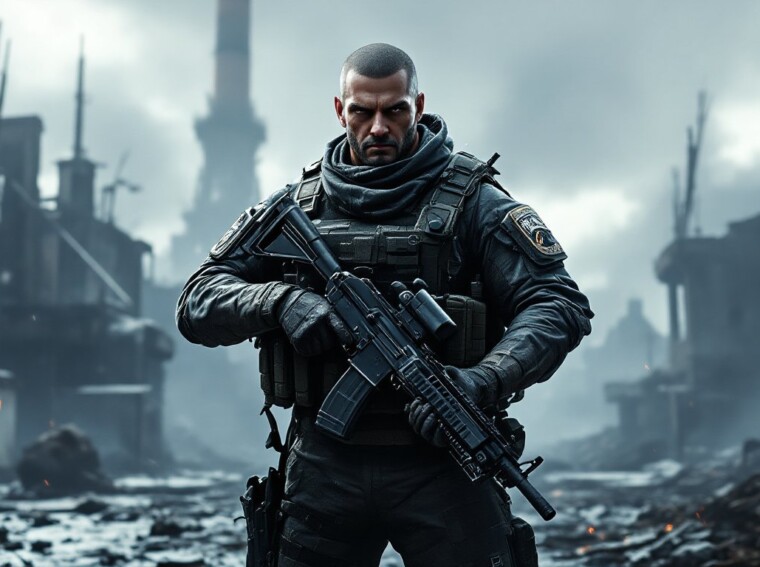
Call of Duty: Ghosts delivered one of the franchise’s most memorable rosters of operators and campaign characters. Whether you’re diving into the single-player narrative or jumping into multiplayer matches, understanding the core cast, from Logan Walker and Merrick to the squad-based dynamics, shapes how you engage with the game. This guide breaks down the main campaign characters, their roles in the story, multiplayer operator standouts, specialist abilities, and how to build competitive loadouts around your favorite fighters. If you’re serious about mastering Ghosts, knowing who these soldiers are and what they bring to the table matters.
Key Takeaways
- Call of Duty: Ghosts features a memorable roster of campaign and multiplayer characters, with Logan Walker as the protagonist and Captain Merrick leading the elite Ghosts squad through a war-torn narrative.
- The campaign emphasizes squad dynamics and character relationships, making understanding the roles of Hesh, Ajax, and supporting characters essential to appreciating the story’s emotional weight.
- Multiplayer operators in Ghosts offer distinct visual designs and playstyles, with direct references to campaign characters that strengthen investment between single-player and competitive modes.
- Elite specialists come with unique ability loadouts and killstreaks that define playstyle, requiring strategic team composition and knowledge of matchup advantages for competitive success.
- Competitive loadout building demands understanding primary and secondary weapon synergies, perk stacking, equipment timing, and meta trends to elevate gameplay beyond casual engagement.
- Mastering Cod Ghosts characters means combining knowledge of campaign depth with multiplayer customization, separating average players from specialists through deliberate operator training and strategic optimization.
The Campaign’s Main Characters And Their Roles
Logan Walker And The Ghosts
Logan Walker is the player character and the heart of Ghosts’ campaign. You experience the entire story through his eyes as he’s thrust into the elite Ghosts unit, a covert operator team hunting the Federation across a war-torn landscape. Walker’s journey from a standard soldier to a fully-fledged member of this elite squad is the narrative backbone of the campaign.
Walker operates within a tight-knit squad led by Captain Merrick, the seasoned commander who’s seen every tactical nightmare imaginable. Merrick’s hardened demeanor and strategic brilliance keep the Ghosts on mission even though overwhelming odds. He’s not a glory-seeker: he’s a tactician through and through, focused on completing objectives and protecting his team.
Hesh, Walker’s brother and fellow Ghost operator, provides the emotional anchor to the story. The bond between the Walker brothers adds weight to the campaign’s narrative beats, especially during crucial story moments when personal stakes collide with military objectives. Hesh represents loyalty and family loyalty within the context of military duty, something that resonates throughout the entire campaign arc.
The fourth core member, Ajax, rounds out the primary squad with technical expertise and combat prowess. These four characters form the operational unit you’ll see repeated throughout the campaign’s most intense moments. Unlike some Call of Duty games where you’re isolated, Ghosts emphasizes squad dynamics and character relationships.
Key Supporting Characters In The Story
Beyond the main Ghosts roster, several supporting characters flesh out the narrative. Elias Walker, Logan and Hesh’s father, plays a crucial role in the campaign’s opening and return later with significant consequences. His presence grounds the story in personal family drama while advancing the larger military plot.
The Federation’s leadership, particularly the antagonists you’ll encounter, provide motivation for your operations. While they’re less developed than the Ghosts themselves, their actions drive the campaign forward and justify the missions you undertake. The story doesn’t shy away from showing the human cost of war on both sides, even if the primary focus stays on the Ghosts’ perspective.
Support characters like squad members you encounter in later missions add depth to the world. These aren’t just nameless soldiers, they’re part of a larger military structure fighting an existential threat. The game does a solid job of making you care about squad cohesion and the broader implications of losing soldiers under your command.
Multiplayer And Operator Standouts
Multiplayer operators in Ghosts bring more personality than typical Call of Duty soldier archetypes. Each operator has distinct visual designs and voice lines that make them feel lived-in rather than generic.
The multiplayer roster includes Ghost-themed operators that directly reference campaign characters. Playing as variants of the main cast creates continuity between single-player and competitive modes. This crossover approach strengthens player investment, you’re not just a random soldier, you’re stepping into roles established in the campaign.
Operators excel in different playstyles depending on their loadout and perks. Whether you’re aggressive rushing aggressive players or holding defensive positions, multiplayer lets you customize your operator to match your approach. The visual differentiation helps teammates quickly identify who’s who in heated firefights, which matters in team-based modes.
Customization depth in multiplayer goes beyond just operator skins. You’re building entire characters through choice of primary weapons, secondary options, special equipment, and killstreak rewards. Each decision compounds to create your unique operator identity. Unlike some shooters where character choice is purely cosmetic, Ghosts ties loadout functionality directly to how your operator performs in matches.
The operator system encourages experimentation. Trying different specialists and ability combinations teaches you matchup advantages. A camping-focused operator with different perks plays completely differently than a run-and-gun variant, even if both use the same base character model.
Elite Specialists And Their Abilities
Elite specialists represent the apex of operator customization in Ghosts. These aren’t just cosmetic variants, they come packaged with specific ability loadouts that define playstyle. Each specialist fills a particular role, from support-focused players to aggressive fraggers.
Specialists unlock unique killstreaks and tactical advantages. Some emphasize map control through area-denial abilities, while others provide team support through reconnaissance or defensive gadgets. Understanding what each specialist brings allows you to draft team compositions that cover weaknesses.
The meta around specialists shifts with patches and balance updates. A specialist that dominates one patch might get rebalanced the next, making flexibility important for competitive players. Veterans track specialist viability across patches to stay ahead of shifting meta trends.
Team composition matters significantly when specialists are involved. A well-coordinated squad leveraging different specialist abilities can lock down entire map sections. Conversely, stacking too many of the same specialist type creates exploitable gaps in your team’s capabilities.
Learning specialist matchups deepens strategic play. Knowing which specialist counters what loadout combination elevates your game beyond raw mechanical skill. Gaming guides across platforms often break down specialist tier lists and matchup charts to help players optimize their selections for competitive play.
Character Customization And Loadouts For Competitive Play
Building effective loadouts starts with understanding what your operator needs to succeed. Competitive players don’t randomize, they construct loadouts around specific map control strategies and engagement distances.
Primary Weapon Selection shapes your entire playstyle. Assault rifles offer versatility for multiple ranges, while SMGs dominate close quarters and shotguns control doorways. Sniper rifles reward positioning and map knowledge. Your primary choice determines which perks and equipment support you optimally.
Secondary Weapons provide backup plans. A lightweight pistol works for all-rounder operators, while special equipment like explosives or tactical tools offer situational advantages. Competitive players often choose secondaries based on engagement ranges they expect to encounter in specific map positions.
Perk Loadouts dramatically impact survivability and effectiveness. Perks stacking toward specific playstyles create synergy. An aggressive rusher might prioritize speed-enhancing and close-range defense perks, while a defensive player stacks situational awareness and durability options.
Equipment Choices separate decent players from great ones. Tactical grenades control engagements, lethal equipment punishes bunched enemies, and specialized tools enable objective plays. The difference between winning and losing often comes down to perfect equipment timing.
Competitive loadout building requires understanding meta trends. Resources discussing character builds across community forums show what top players are running. Analyzing successful loadouts reveals patterns about current viable strategies and which operator combinations dominate tournament play.
Platform Considerations affect loadout viability. PC players adjust sensitivity and equipment timings differently than console players. Mobile platforms introduce unique constraints that might make certain loadouts impractical. Professional guides account for these platform differences rather than treating all versions identically.
Testing loadouts in actual matches beats theorycrafting. Casual matches let you experiment with unconventional combinations safely. Once you identify synergies that work for your playstyle, refined versions of those loadouts carry into competitive ranked play and tournaments.
Conclusion
Mastering Call of Duty: Ghosts characters means appreciating both campaign depth and multiplayer customization. From Logan Walker’s personal journey through the Ghosts’ mission to building optimized competitive loadouts, every operator choice impacts how you experience the game. Understanding character roles, specialist abilities, and loadout synergies elevates your play from casual engagement to competitive capability. Whether you’re story-driven or multiplayer-focused, investing time in learning the cast pays dividends. Comprehensive gaming resources consistently highlight how character knowledge separates average players from specialists. Pick your operator, master their toolkit, and dominate.