
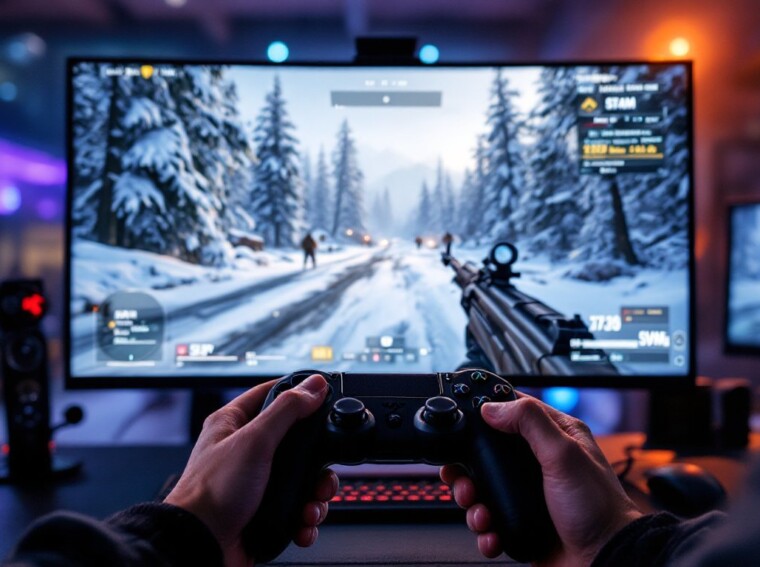
Call of Duty: WWII stands as a pivotal entry in the franchise, grounding the series back in boots-on-the-ground combat after years of advanced movement mechanics. Released in November 2017 by Sledgehammer Games, WWII appeals to competitive players and casual gamers alike, offering Campaign, Multiplayer, and Nazi Zombies modes across PC, PS4, and Xbox One. For those diving into COD Modern Warfare 2.0 or exploring the deeper competitive scene, understanding WWII’s weapon meta, map control fundamentals, and tactical gameplay is essential. Whether you’re preparing for Call of Duty War Zone engagements or refining your multiplayer dominance, this guide breaks down the mechanics, loadouts, and strategies that separate average players from competitive contenders.
Key Takeaways
- Call of Duty: WWII’s boots-on-the-ground gameplay emphasizes gunskill, positioning, and map control over advanced movement mechanics, making it essential for competitive players preparing for modern Call of Duty War 2 engagements.
- Master top-tier weapons like the STG44 assault rifle and PPSh-41 SMG with proper attachments and divisions to dominate competitive multiplayer across different map types and playstyles.
- Map knowledge and three-lane structure mastery directly translate to wins by enabling rotations before engagements and controlling power positions that dictate objective success.
- Positioning, movement discipline, and audio awareness separate competitive contenders from casual players—focus on head glitches, tactical movement, and directional audio callouts rather than relying solely on reaction time.
- Understanding WWII’s tactical framework of weapon balance, objective-based modes, and spawn manipulation prepares you for competitive success across multiple Call of Duty generations.
What Is Call Of Duty War 2 And Why It Matters To Competitive Players
Call of Duty: WWII is a first-person shooter developed by Sledgehammer Games that emphasizes skill-based, grounded gameplay. Unlike entries with jetpacks and wall-running, WWII returns to boots-on-the-ground movement, making gunskill, positioning, and map control the cornerstones of success.
For competitive players, the game’s relevance lies in its structured multiplayer ecosystem. The title formed the foundation of the Call of Duty World League (CWL) ruleset, featuring classic 6v6 modes including Hardpoint, Search & Destroy, Capture the Flag, and Domination. These modes reward teamwork, objective play, and individual mechanical skill in equal measure. The weapon balance and perk system create a straightforward but highly punishing meta where mistakes are punished instantly and decision-making matters more than twitch reflexes alone.
Players exploring the broader Call of Duty release timeline will find WWII occupies a unique position, it’s the bridge between advanced-movement eras and the modern boots-on-ground resurgence seen in recent titles. Understanding WWII’s fundamentals prepares you for competitive play across multiple Call of Duty generations.
Essential Weapon Tier List And Load-Out Recommendations
WWII’s weapon meta revolves around three primary categories: assault rifles for lane control, submachine guns for aggressive plays, and snipers for specialist roles. The following tier list reflects competitive and ranked-play viability based on final balance patches.
Top-Tier Weapons:
- Assault Rifles: STG44 (all-purpose stability), BAR (high damage, power)
- SMGs: PPSh-41 (fire rate king), MP40 (versatile mid-range)
- Snipers: Kar98k (one-shot potential), Lee Enfield (early-game option)
Standard Competitive Load-Outs:
- Flex AR – STG44
- Division: Infantry
- Attachments: Grip, Quickdraw, Advanced Rifling
- Basic Training: Primed (extra attachment, flinch reduction)
- Lethal/Tactical: Frag + Stun
- Aggressive SMG – PPSh-41
- Division: Airborne
- Attachments: Grip, Quickdraw, Rapid Fire
- Basic Training: Energetic or Hustle
- Lethal: Sticky or Frag
- Search & Destroy Sniper – Kar98k
- Division: Mountain
- Attachments: Ballistic Calibration, Rapid Fire
- Basic Training: Primed or Lookout
- Equipment: Smoke for self-cover
These configurations work across both casual and competitive playlists. Adjust attachments based on map size and engagement distance, longer maps favor extended mags and advanced rifling, while close-quarters maps reward hip-fire and handling attachments.
Top-Tier Assault Rifles And SMGs For Multiplayer Dominance
Assault Rifles
STG44 – The workhorse rifle that dominates competitive play. Stable recoil, reliable 3–5 shot kills, and versatility on almost every map make it the first choice for most players. Hold mid-lanes on Ardennes Forest and Gibraltar from head glitches, or flex between positions without sacrificing TTK (time-to-kill).
BAR – High-damage beast for anchoring long lanes. The smaller magazine demands accuracy and controlled bursts, but the reward is punishing power that wins duels against other ARs. On maps like London Docks’ long street, the BAR’s strength justifies its limitations.
SMGs
PPSh-41 – The defining SMG of WWII’s competitive scene. High fire rate, solid close-range damage, and forgiving recoil let aggressive players break hills and secure power positions. Its hip-fire accuracy is unmatched, making it devastating in close quarters.
MP40 – A hybrid option for players seeking mid-range performance from an SMG. Better than most submachine guns at range while retaining mobility advantages, the MP40 suits flexible playstyles where you’re not purely committing to rushing or anchoring.
On maps like Flak Tower with tight corridors, SMGs dominate. On sprawling maps like Ardennes Forest, assault rifles dictate the pace. Understanding when to deploy each weapon class separates competitive players from pub-stompers.
Map Strategy Guide For Multiplayer Success
Map knowledge directly translates to wins. WWII’s competitive map pool emphasizes three-lane structures with distinct power positions. Master these core principles, and you’ll win rotations before engagements even start.
Ardennes Forest – Snow lane (flank route), mid bunker (central control), cabin (secondary power position). AR players anchor spawns and lock down mid from head glitches. SMG players abuse snow and cabin routes to pinch objectives from unexpected angles.
London Docks – Warehouse lane, long street, and central hill create tight engagements. SMGs thrive in warehouse chaos: AR players control the long street to prevent enemy rotations. Early hill control determines the first rotation’s success.
Gibraltar – Bridge, top rock, and lane overlooks are power positions. AR players camp these high-ground advantages while watching rotations. SMG players use lower routes and internal paths to flank strong setups from behind, forcing repositioning or easy picks.
Flak Tower – Central platform and interior corridors dominate. SMGs push through inner routes for close-range fights. AR players watch sightlines and rotate early to cut enemy pushes before they reach the hill.
Universal Map Rules:
- Anchor positions that favor your spawn for favorable enemy spawns in objective modes.
- Control mid-map to enable faster rotations than opponents.
- Time hill breaks with teammates: solo pushes die instantly.
- Pre-aim common choke points instead of sprinting through them, sprinting delays your ability to shoot. Understanding rotations and spawn manipulation separates ranked grinders from casuals. detailed Call of Duty campaign guides to see how map design principles apply across the franchise’s single-player offerings as well.
Advanced Gameplay Tips To Elevate Your Performance
Mechanical skill matters, but decision-making and awareness define competitive excellence. Here’s where casual players lose: they think reaction time wins gunfights. Competitive players know positioning, movement discipline, and information gathering win before shots fire.
Positioning Fundamentals:
- Prioritize head glitches and cover exposing only your upper body.
- Use off-angles, slightly different viewpoints from standard spots, to catch opponents pre-aiming common lines.
- In objective modes, think three steps ahead: current hill, next rotation, spawn manipulation.
- Hold angles that reward your weapon class, SMGs close to doorways, ARs on long lanes.
Movement Discipline:
- Sprint between safe covers: walk or ADS around high-risk corners.
- Slide-canceling is minimal compared to modern titles, so focus on jump-peeking and strafing while shooting.
- Learn jump spots and mantle shortcuts bypassing predictable doorways, these become free kills once enemies expect them.
- Crouch-walk near enemies in Search & Destroy: footstep audio is a deadly giveaway.
Audio Cues – The Invisible Advantage:
- Use a reliable headset: directional audio wins rounds before visual confirmation.
- Lower background music, turn up effects volume.
- Listen for sprinting near flanks, reload sounds around corners (chance to push), and grenade pins.
- In Hardpoint, audio callouts from teammates signal rotations and spawns changing.
For broader competitive context, the definitive ranking of Call of Duty games highlights WWII’s competitive legacy. Understanding why WWII resonates competitively teaches you principles applicable to Call of Duty Modern Warfare 2.0 and beyond.
Positioning, Movement, And Audio Cues
The trifecta of competitive dominance, positioning, movement, and audio awareness, separates tier-one players from the rest. Most players focus obsessively on aim, completely ignoring these three pillars.
Positioning wins rounds. A player in a power position with mediocre aim beats a mechanical god in a vulnerable spot. Map knowledge teaches you which positions control sightlines, offer escape routes, and punish enemy rotations. On Hardpoint, the hill itself is less important than the positions controlling access to it.
Movement discipline prevents mistakes. Walking instead of sprinting, preaiming corners, and using cover effectively frustrate aggressive opponents. Jumping when pushing corners introduces unpredictability while maintaining aim stability. The key: every action should have a tactical purpose, not just habit.
Audio is your sixth sense. Footsteps traveling predictable routes, reloads near common spots, and grenade pins alert you to enemy positions. A player wearing a quality headset with footstep audio tuned correctly has an information advantage worth 50+ milliseconds of reaction time. In close games, that’s the difference between tournament wins and runner-up finishes.
These fundamentals apply whether you’re grinding ranked play, preparing for scrims, or watching pro Call of Duty War Zone competitions. The Warzone update patch notes reflect how Sledgehammer Games and Infinity Ward continuously refine competitive balance, but WWII’s core tactical framework endures.
Conclusion
Mastering Call of Duty: WWII requires commitment to weapon fundamentals, map memorization, and disciplined gameplay. The STG44 and PPSh-41 aren’t meta because of stats alone, they fit WWII’s playstyle perfectly. Map control through positioning and rotation planning beats raw mechanical skill. Audio awareness and movement discipline complete the toolkit.
Applied together, these principles create a durable competitive framework that translates across Call of Duty titles. Whether competing in ranked modes or analyzing professional play, understanding WWII’s boots-on-ground foundation strengthens your game fundamentally. Start with weapon mastery, layer in map knowledge, and finish with tactical awareness, that path leads to consistent improvement and genuine competitive success.